 Sparta Rotterdam Hub
The 1970s were a pivotal era for Sparta Rotterdam, a decade that not only showcased the club's resilience but also highlighted its commitment to innovation in football. As the Kasteelheren navigated the complexities of the Dutch football landscape, they laid the groundwork for their long-term aspirations.
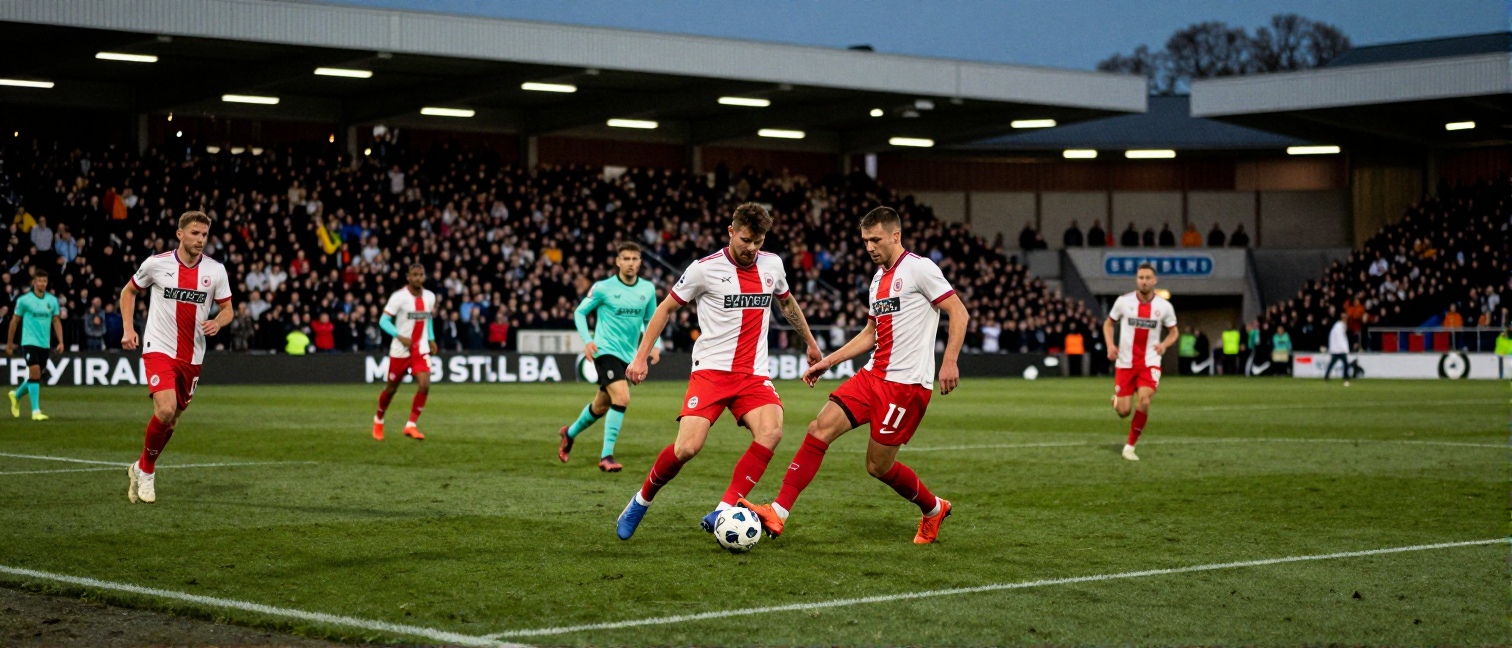
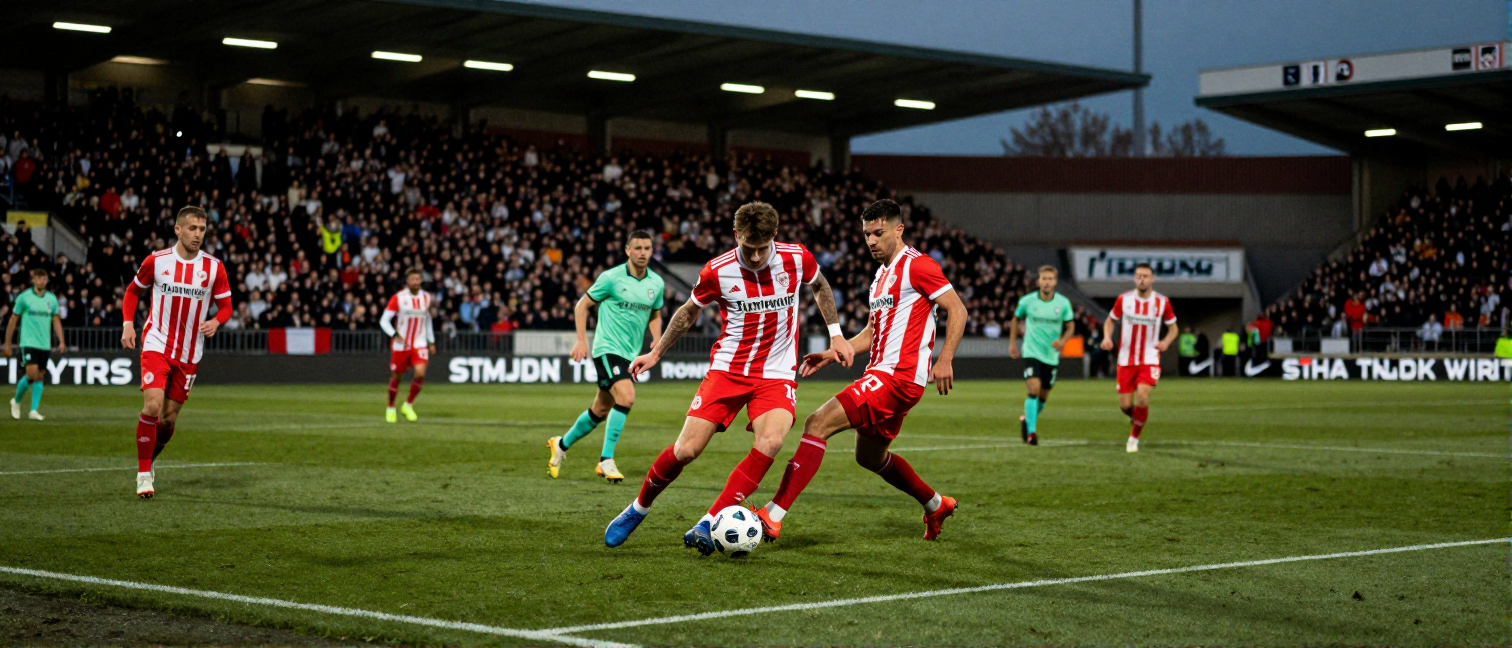
In 1973, under the management of the visionary coach, Sparta Rotterdam began to adopt a more attacking style of play, which was a departure from their traditionally defensive approach. This tactical shift was influenced by the rising popularity of total football, a philosophy that emphasized fluid movement and positional interchange. The Kasteelheren’s players began to embody this creative freedom, resulting in a more dynamic brand of football that captivated fans and garnered attention across the league.
One of the standout moments of this decade came in the 1976-77 season when Sparta Rotterdam finished in a respectable mid-table position, showcasing their ability to compete against the top teams in the league. This was a significant achievement, especially considering the squad's relatively modest resources compared to giants like Ajax and Feyenoord. Players such as goalkeeper Jan van Beveren and forward Dick Schoenaker emerged as key figures, providing stability and flair that would define the club's character during this transformative time.
The rivalry with Feyenoord, which reached new heights during this decade, further fueled the Kasteelheren's ambitions. Matches against their city rivals became more than just games; they were battles for pride, with the passionate fan base creating an electric atmosphere at the Stadion. This rivalry not only intensified the competitive spirit within the team but also helped to cultivate a strong community identity, as fans rallied behind their club in the face of adversity.
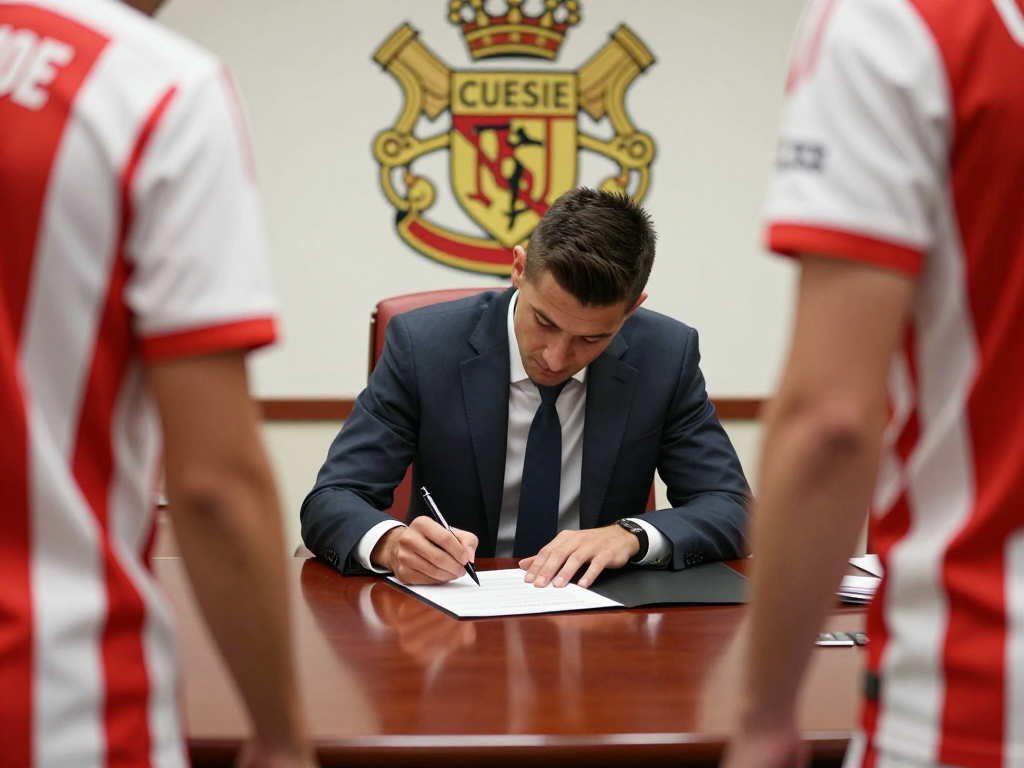
As the decade progressed, Sparta Rotterdam's commitment to developing homegrown talent also became evident. The club invested in youth development, recognizing that sustainability was paramount for long-term success. This focus on nurturing young players allowed Sparta to cultivate a new generation of talent, ensuring that the club remained competitive in the evolving landscape of Dutch football.
In conclusion, the 1970s were a transformative period for Sparta Rotterdam, characterized by a pioneering spirit and a commitment to innovation. The tactical evolution, combined with the fierce rivalry with Feyenoord and an emphasis on youth development, laid the foundation for future successes, demonstrating that the Kasteelheren were not just a team of the past, but a club with aspirations for greatness in the years to come.